
⚔️ OpenAI Counters Mythos Playbook with GPT-5.4-Cyber
OpenAI just introduced GPT-5.4-Cyber, a more permissive version of its flagship model built for defensive security work — responding to Anthropic's Mythos release with a much wider rollout targeting thousands of verified defenders.
- —Anyone who passes ID checks via its Trusted Access for Cyber initiative can apply for access, with no upper limit; Mythos is limited to just 40+ trusted partners
- —The new model can reverse-engineer compiled software to flag malware or security flaws, letting analysts inspect programs without the original code
- —OpenAI researcher Fouad Matin called cyber defense a "team sport," arguing no one should be in the business of picking winners and losers
- —Treasury Secretary Bessent summoned Wall Street leaders to an emergency Mythos briefing last week amid growing concerns over its hacking capabilities
Why it matters: The competition between GPT-5.4-Cyber and Mythos is ultimately a clash of two open-ness philosophies — whoever builds the defender ecosystem fastest could reshape the entire cybersecurity landscape.
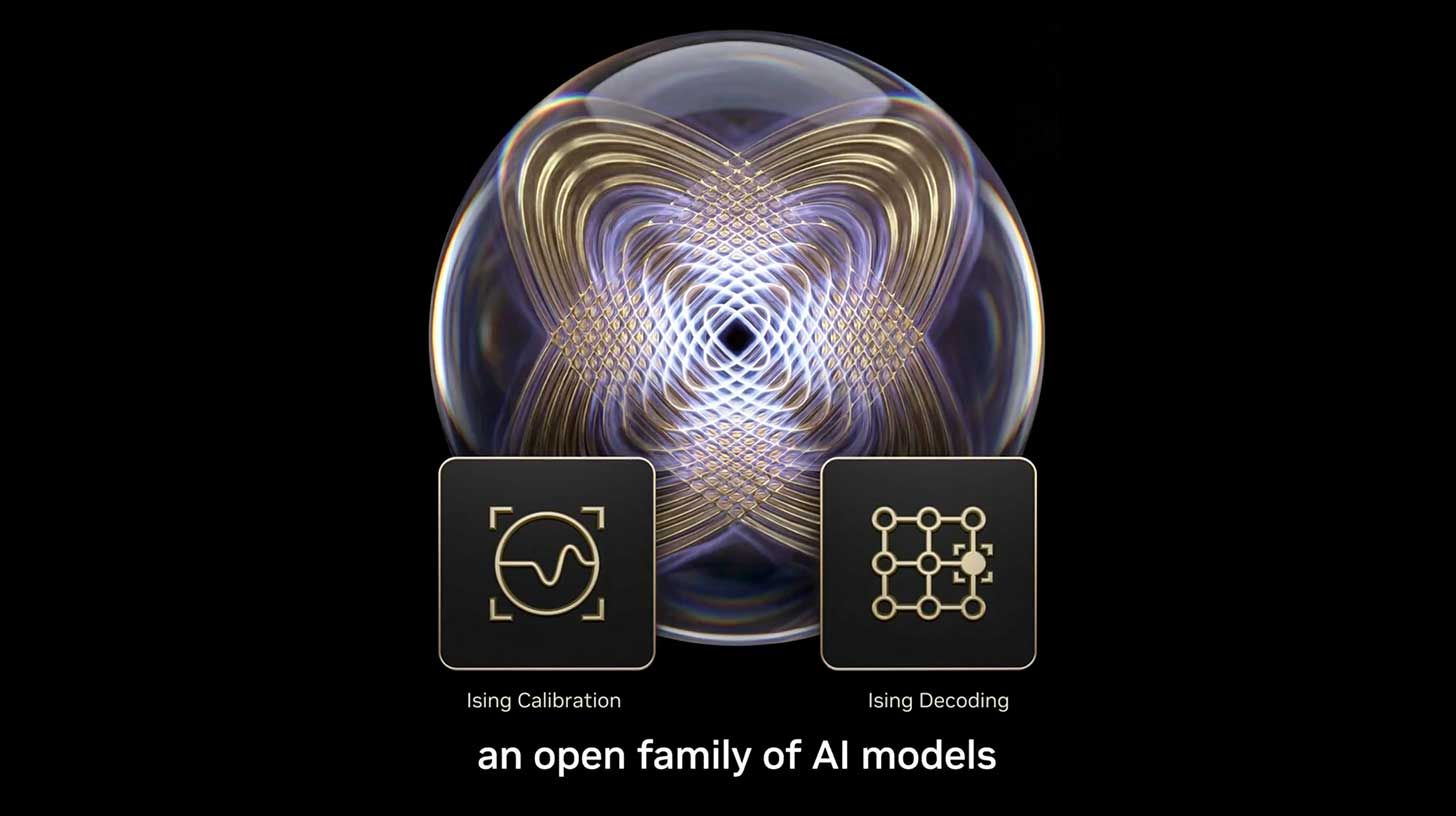
⚛️ Nvidia Ships Open-Source AI for Quantum Computing: Ising Model Family
Nvidia released Ising, the first family of open-source AI models designed to work with quantum computers — tackling calibration and error decoding problems that have kept quantum tech from scaling out of the lab.
- —Ising Model 1 automatically keeps quantum machines tuned, turning what used to be a days-long manual job into something that takes hours
- —Ising Model 2 corrects errors in real time, hitting 2.5x the speed and 3x the accuracy of today's best open-source alternative
- —Nvidia CEO Jensen Huang called it "the operating system of quantum machines," positioning AI as the missing layer that makes quantum tech scalable
- —20+ institutions are already using Ising at launch, including Harvard, Cornell, Fermilab, Sandia National Labs, IonQ, and UC Santa Barbara
Why it matters: Nvidia is running the same playbook it used for self-driving cars and robotics: release the open AI layer, lock in the ecosystem, own the infrastructure. The company is planting its flag in a projected $11B quantum market before the race really starts.
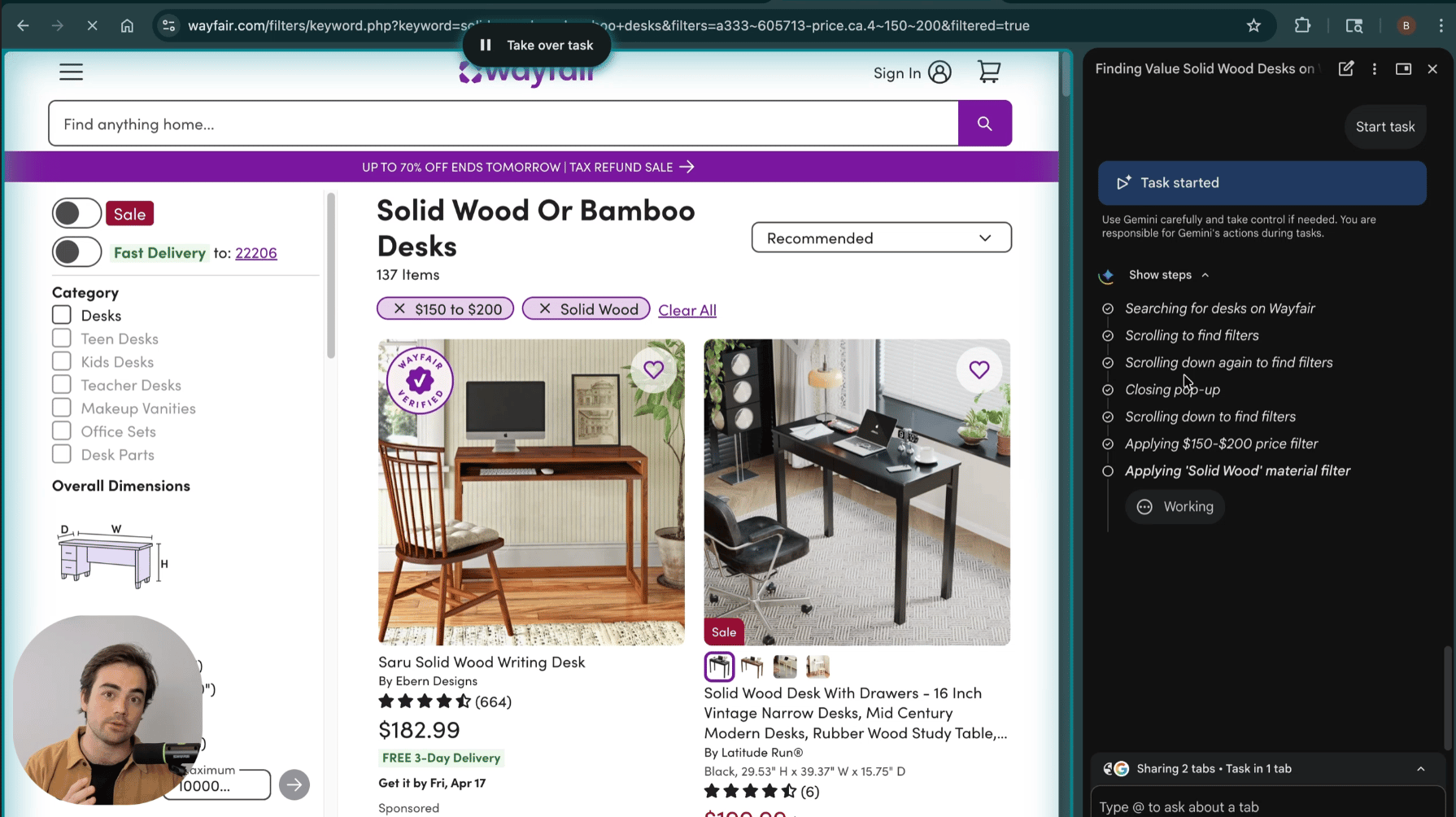
🤖Automate Your Chrome Browser with Gemini
Google's built-in Gemini features for Chrome let you control your browser with natural language commands to complete complex tasks.
- —Go to Settings > AI Innovations > Gemini in Chrome, enable "Show Gemini at the top of the browser" and "Share current tab with Gemini"
- —Open three product tabs, click Gemini, type @ to attach tabs, and prompt: "Compare [products] and tell which offers the best features for the best price"
- —With Google AI Pro, prompt: "Find me a cheaper [product type] with these same features" — Gemini will plan and execute the search across Chrome for you
Why it matters: The deep integration of Chrome and Gemini signals that the browser is evolving from an information display tool into an AI execution agent platform.
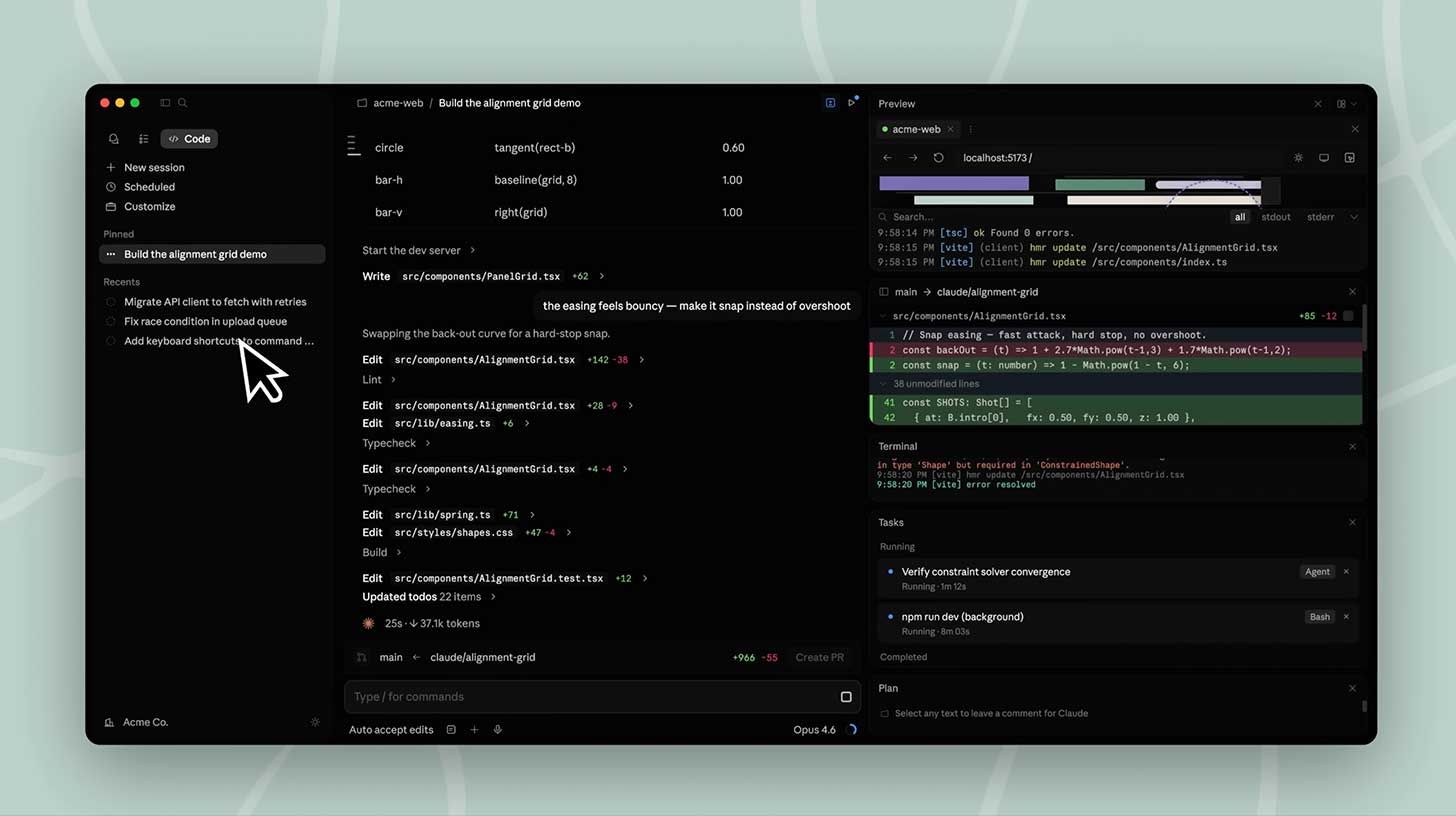
💄Anthropic Gives Claude Code a Makeover in Desktop
Anthropic introduced a redesign to Claude Code's desktop app built around the reality that devs now run multiple AI sessions at once, adding a sidebar for managing them, new drag-and-drop panes, and an integrated editor and terminal.
- —New sidebar keeps all live and recent sessions in view, with filters by status or project and the ability to auto-archive once a pull request is closed or merged
- —Drag-and-drop layout allows users to customize the workspace and monitor multiple windows at once, with more reliability and speed
- —Developers can now run tests, edit files, review Claude's changes, and preview HTML or PDFs without switching tools
- —Anthropic also launched routines in Claude Code — research preview that runs AI tasks on a schedule, via API, or whenever certain GitHub events happen
Why it matters: The Claude Code redesign and routines both paint the same picture — Anthropic thinks devs are about to spend less time coding and more time orchestrating a team of AI agents. Parallel sessions plus scheduled routines makes Claude Code look more like a command center for a half-human, half-AI workforce.